Elephantine Island — Aswan's Nile Archaeological Site
Khnum temple ruins, nilometer, and living Nubian communities reached by public ferry.
Elephantine Island sits mid-Nile opposite the Aswan Corniche, historically guarding Egypt's southern frontier and controlling granite trade from upstream quarries. Today archaeological zones mix with residential Nubian villages, small guesthouses, and cafés overlooking rapids that no longer rage after dam regulation. Visitors come for Ptolemaic and Roman temple remains dedicated to Khnum and Satet, the famous nilometer staircase measuring flood levels, and mud-brick museum displays near the landing.
Karim Nasser, our field verifier, walks Elephantine footpaths fortnightly to confirm ferry intervals, ticket kiosk hours, and whether construction scaffolding blocks nilometer access. Public ferries depart from multiple Corniche moorings— ask for "Elephantine" or "Gharb Aswan" landing; frequency runs roughly every twenty to thirty minutes daytime but thins after 17:00 and during Ramadan evenings.
Ferry and ticketing
| Topic | Details |
|---|---|
| Ferry fare | Low EGP per crossing; pay on board or at gate— keep small notes |
| Site ticket | Separate Antiquities ticket at island kiosk for ruin zones |
| Duration on island | 3–4 hours walking ruins, museum, village lanes |
| Last return | Confirm with captain before 17:00 in winter; earlier in Ramadan |
| Kitchener's Island | Separate botanical garden nearby— reached by felucca or short boat |
Circulation route
After landing, most visitors buy site tickets and walk south toward Khnum temple columns and granite gateways. Signage guides toward the nilometer— descend carefully on worn steps. Aswan Museum on the island displays smaller finds and models; air conditioning offers relief in summer.
Village lanes north of ruins host handicraft shops and cafés— engage respectfully; photography of residents requires permission. Avoid treating homes as backdrop without interaction. Pair craft stops with Nubian Museum context on displacement and cultural continuity.
Kitchener's Island and felucca links
Botanical garden on Kitchener's Island (Aswan Island) requires separate entry fee and shorter hours than ruins. Felucca captains approach from west bank or Elephantine edges— see felucca sunset routes for quote ranges. Island Runner plans sequence Elephantine morning, lunch on Corniche, felucca sunset same day when wind permits.
Pairings and pacing
Do not combine Elephantine with Philae same day unless you start early— both deserve half-day attention. Unfinished Obelisk fits east-bank morning before ferry crossing afternoon. Aga Khan Mausoleum viewpoint on west cliff rewards sunset after felucca if energy remains— taxi or walk from west bank landing.
Accessibility: ferry boarding involves narrow planks; ruins include uneven stone and steps— challenging for wheelchairs. Strollers difficult in archaeological zone; village lanes somewhat smoother. Shade is limited at temple columns— hat essential.
Personalised two-day island sequencing: Island Runner or contact. Also read transport guide and High Dam visits.
Archaeological highlights in detail
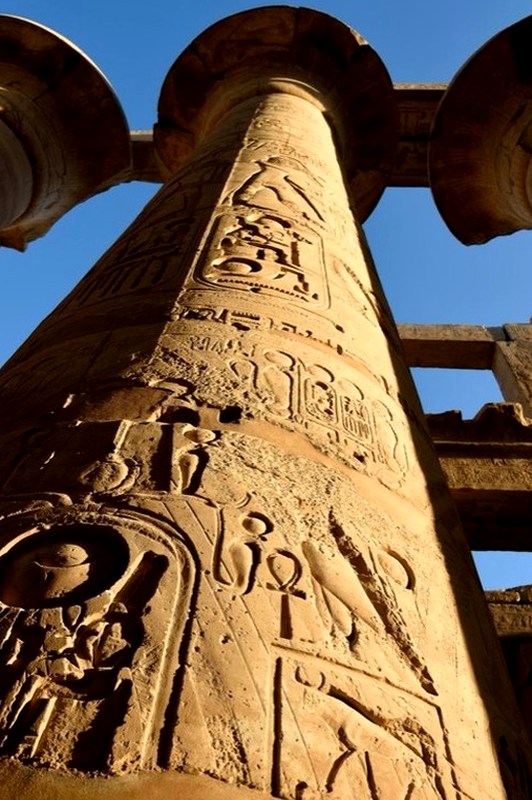
The nilometer staircase descending to water level demonstrates flood measurement precision governing tax and famine prediction in Pharaonic administration— readouts tied to Elephantine's role as frontier garrison. Khnum temple columns retain colour fragments on capitals if afternoon sun angles low. Satet temple remnants lie quieter, often skipped by rushed groups— worth ten minutes for Nile-facing photo symmetry.
Aswan Museum on island holds statuary and stelae too heavy to move to mainland Nubian Museum— air-conditioned respite. Combined site ticket covers archaeological zone; museum may require small supplement— verify at kiosk.
Overnight stays on Elephantine
Guesthouses operate in Nubian village lanes— attractive for felucca dawn departures without recrossing Corniche at night. Luggage ferry logistics mirror day visitors; our Coordinator tier notes reliable guesthouse contacts without booking rooms on margin. Electricity cuts occur— pack torch for post-sunset village paths.
Wildlife and river current notes
Birds nest near quiet shorelines— avoid disturbing reeds when felucca approaches from Elephantine west side. Nile current strengthens mid-channel during flood season adjustments from dam releases— heed captain warnings about swimming.
Village café stops
Nubian village cafés serve hibiscus tea and light meals— patronising them supports residents more than Corniche commission shops. Ask price before sitting; photography of residents requires permission.
Signal and connectivity
Mobile data works in village lanes but weakens inside ruin trenches— download offline maps before crossing. Ferry mid-river offers photo opportunities of Aswan skyline— secure phones against water splashes.